Precision tubing for bicycles, scooters and handlebars


The technical challenge of urban mobility
The component is the safety
A handlebar, an axle, a fork: if they fail, there is no breakdown, there is a fall. And they do not fail by design, they fail because of the material —a crack born during bending, a variation in wall thickness between batches, a weld that did not behave the same way. That is why batch-to-batch consistency is not an added value here: it is the price of entry.
The tubing is on show and out in the weather
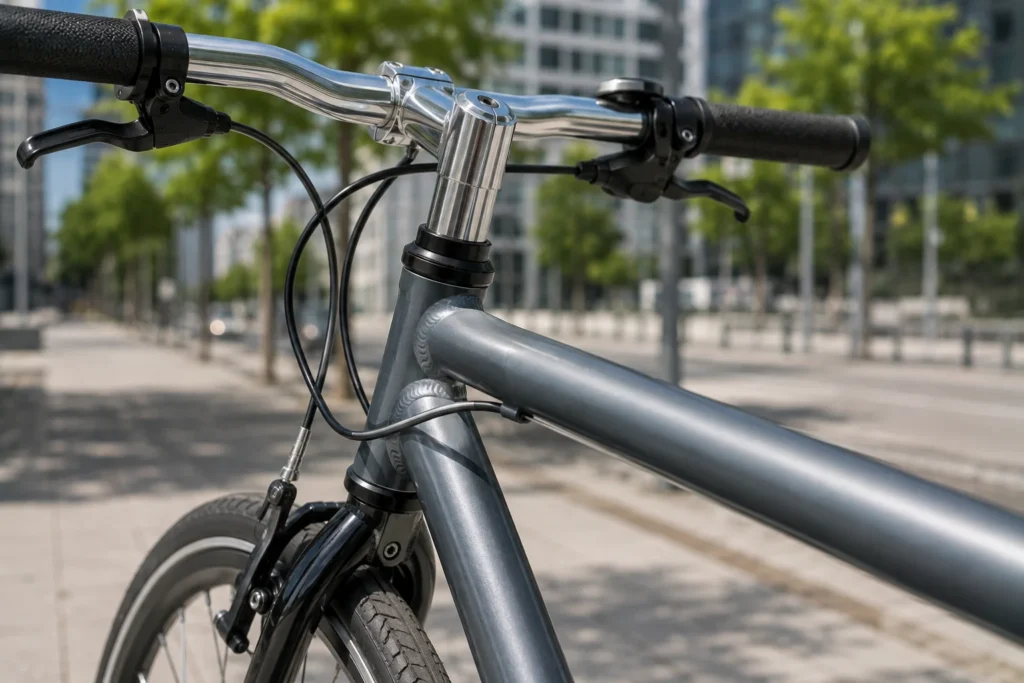
Scooters and urban bicycles live on the street: rain, salt, sun, parked outdoors. And even so, at the moment of purchase, the finish of the metal is part of the product. Chrome plating with the porosity of the steel showing through gives the material away before the customer has tried anything.
Every gram is pedalled or pushed
In personal mobility the user pays for the weight with their own body. Saving weight demands thin walls that still take tight bends without cracking or ovalising.
Applications where you will find us


Handlebars and steering components
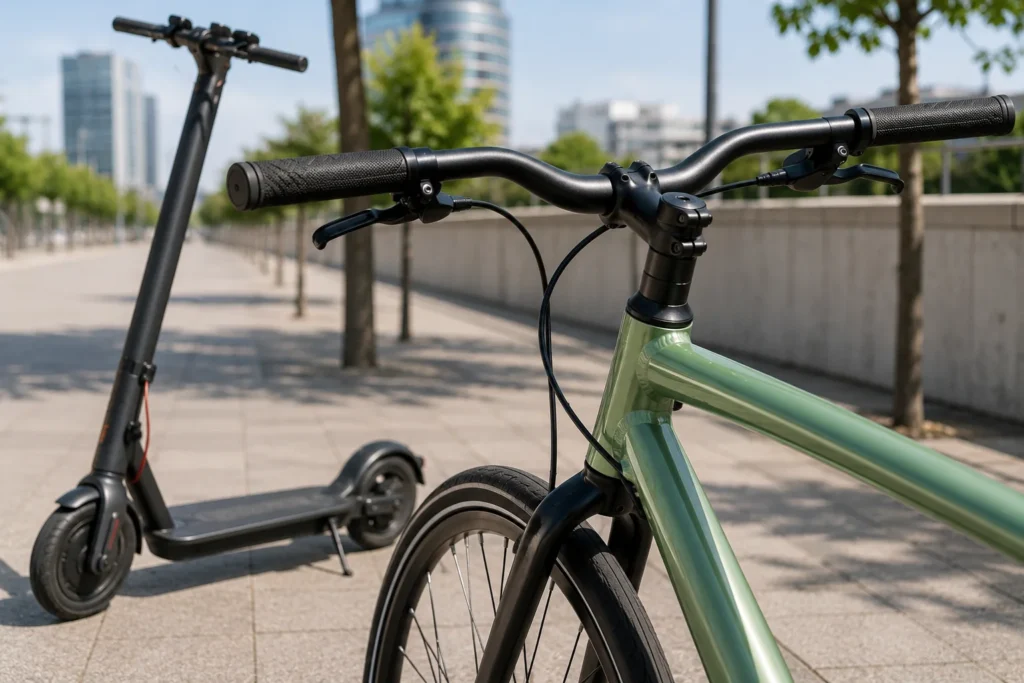
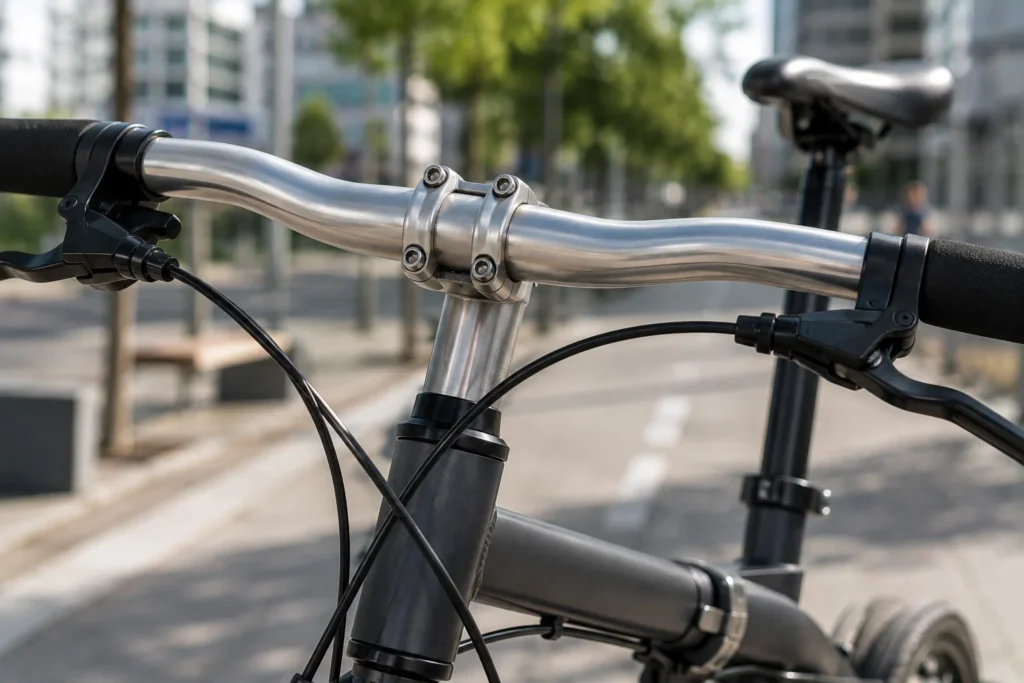
- Handlebars The standard grip-area diameter (22.2 mm) sits squarely within our manufacturing range. Calibrated tubing, with controlled wall thickness and an outer surface ready for finishing.
- Profiles and tapers Bending, end forming and punching to drawing, with the behaviour of the material controlled so that a tight bend does not compromise the part.
- Non-circular profiles to EN 10305-5, when the design requires it.


Axles, hubs and rolling
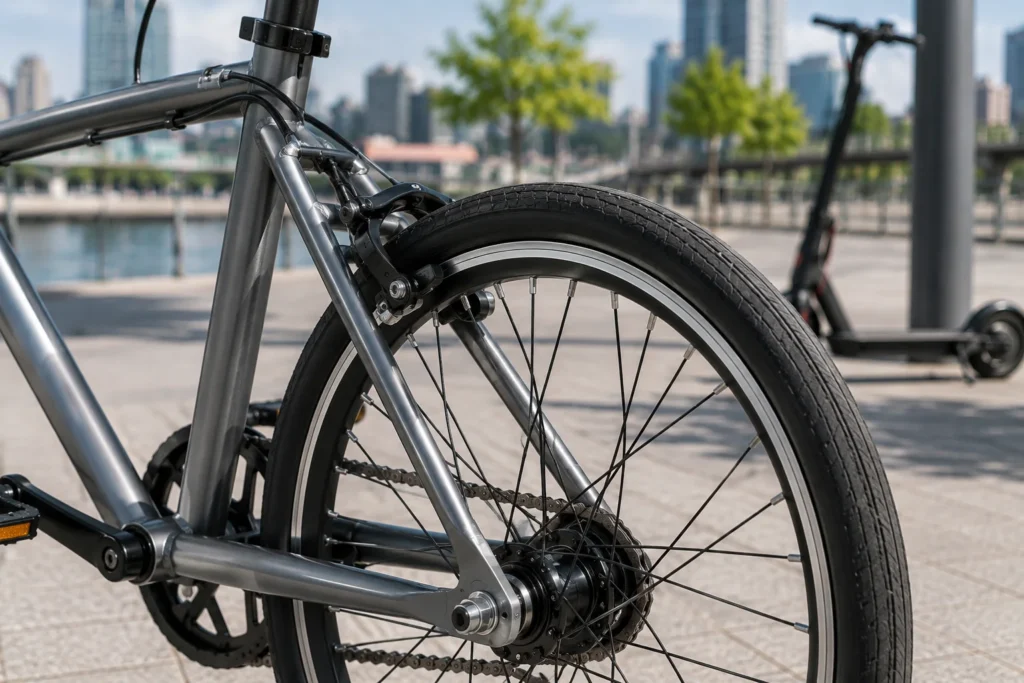
- Wheel axles and pivots OPTIM range: simultaneous control of bore, outer diameter and wall thickness, with an internal weld bead ≤ 0.15 mm. The axle fits with exactly the clearance specified in the drawing, with no play and no parasitic friction.
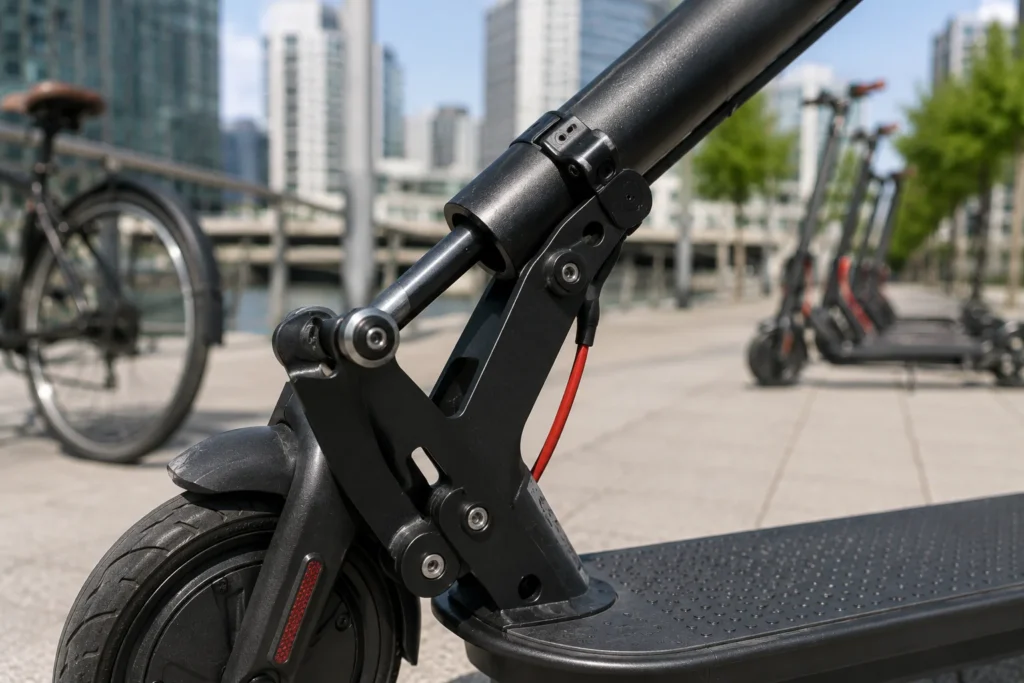
- Scooter folding mechanisms Where there is a pivot, there is a tolerance. And where a tolerance is badly resolved, there is a folding mechanism that wobbles —the defect that gets scooters returned more than any other.


Cylinders, pumps and suspension
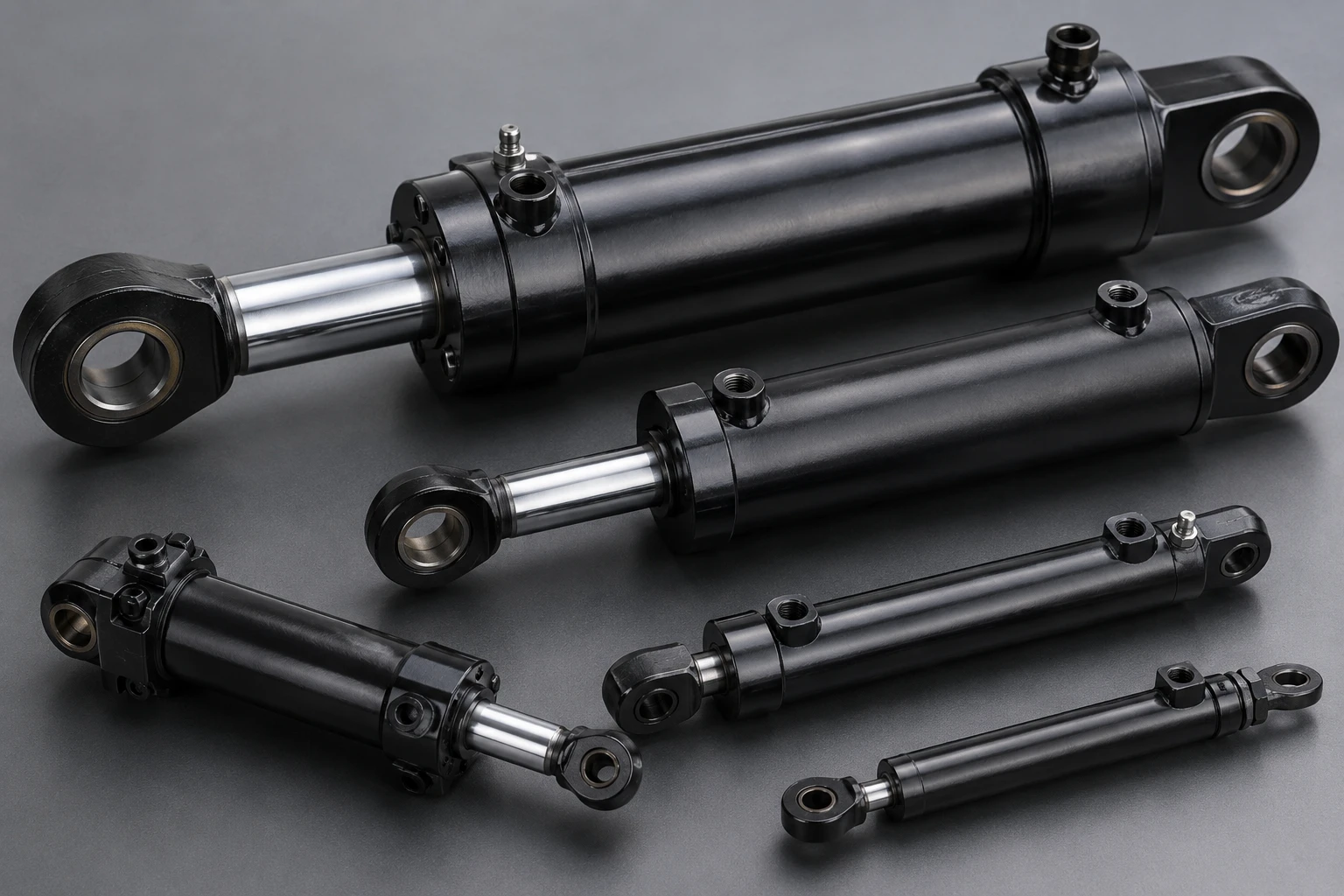
- Pump bodies The cylinder a piston travels up and down needs a bore free of roughness: any harshness attacks the seal and the pump loses pressure. PRECISE range, mirror-finish bore to EN 10305-2.
- Suspension components Same principle: where a piston slides, the inside of the tubing is the track.


Finished exterior tubing
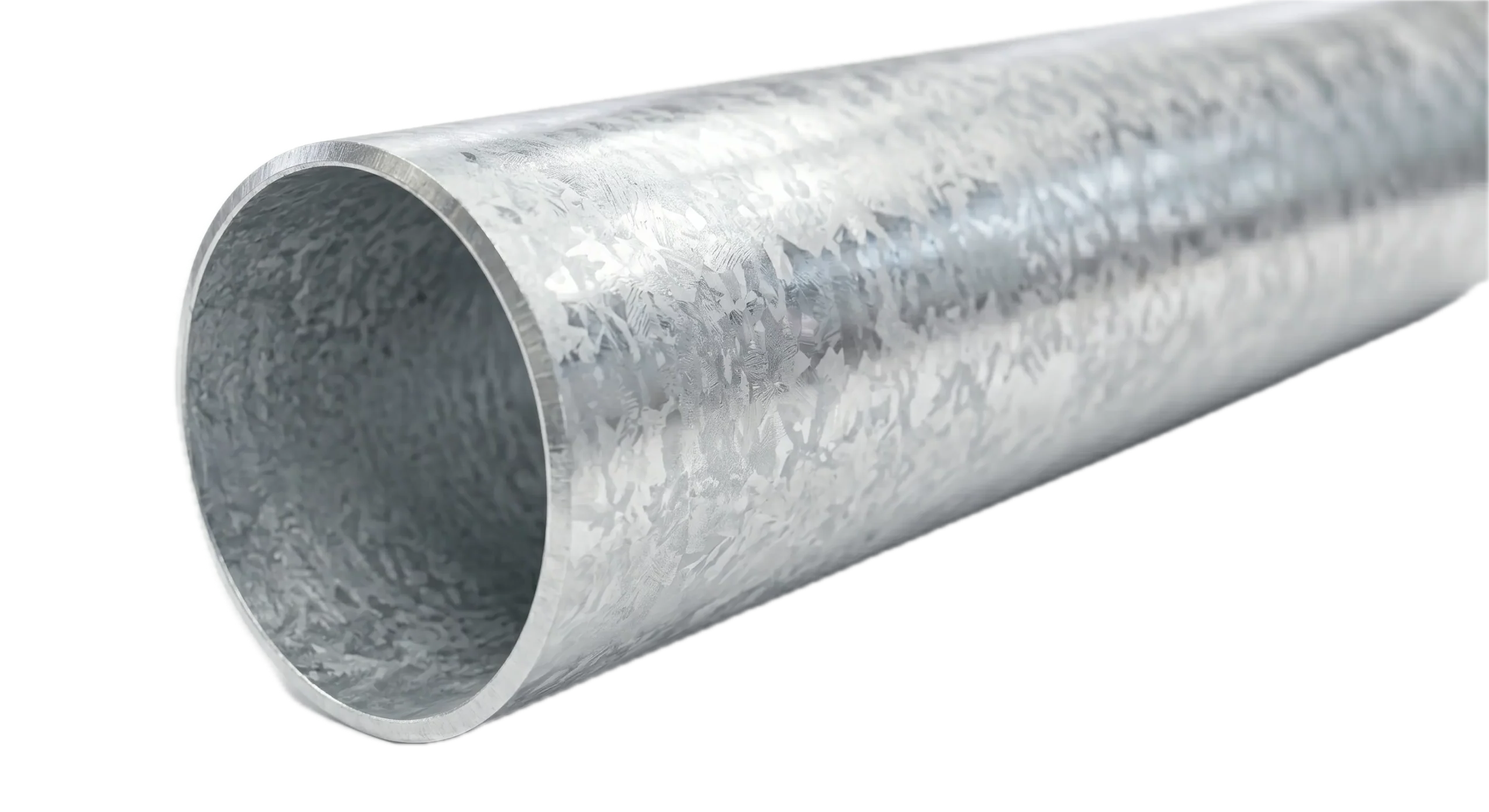
- Direct chrome, zinc and brass plating The PREMIUM range leaves the factory with a bright, non-porous outer surface: the processor saves the polishing stage before the plating bath and prevents marks in the steel from surfacing afterwards.
- Screen printing and decorative finishes, when the brand or graduations go on the metal part itself.
The right range for urban mobility


Exposed tubing and components with a direct electroplated finish


Axles, hubs, pivots and folding mechanisms. Internal weld bead ≤ 0.15 mm


Handlebars, cylinders, pumps and suspension components. Mirror bore. An alternative to seamless tubing at 40% to 80% lower cost
Not just the tubing: the finished part
- An urban mobility component is rarely a straight tubeIt is tubing that has been cut, bent, end formed, punched, threaded, machined and surface finished. Coordinating that usually means several suppliers, several lead times and several points where something can go wrong.
- Delmàs delivers tubing transformed intDelmàs delivers tubing transformed into a finished component ready to assemble. You send the drawing; the assembly reaches your line ready to fit.
- In addition:In addition:
Why urban mobility manufacturers trust Delmàs
A family-owned business in La Roca del Vallès, specialising exclusively in small-diameter welded and calibrated steel tubing (⌀ 3–25 mm).
In a safety component, repeatability is worth more than any one-off performance figure.
Thin walls with the formability needed for tight bends without cracking or ovalisation.
Manufacturing powered 100% by renewable energy since 2006, with two photovoltaic self-consumption installations at the plant. An increasingly relevant argument for sustainable mobility brands that need to be consistent in their supply chain as well.
Questions we hear every week
What tubing diameter do you manufacture for handlebars?
We work in the ⌀ 3 to 25 mm range, which covers the standard grip-area diameter (22.2 mm). We start from the drawing and calibrate outer diameter, bore and wall thickness to a hundredth of a millimetre.
Do you manufacture tubing for bicycle frames?
Our range goes up to 25 mm outer diameter. The main tubes of a frame usually exceed that size, so it is not our application. Where we do work is handlebars, axles, hubs, cylinders, pumps and components with an exterior finish.
Why does a scooter's folding mechanism wobble?
Because of play in the pivots. If the tubing acting as the axle retains a pronounced internal weld bead, or the diameter is not calibrated, play appears. The OPTIM range keeps the internal weld bead at ≤ 0.15 mm.
Does the tubing arrive ready for chrome plating?
Yes. The PREMIUM range is manufactured with a bright, non-porous outer surface, suitable for direct chrome, zinc or brass plating, with no prior polishing stage.
Do you deliver the finished component or just the tubing?
Both. As well as tubing in coil or cut to length, we transform the tubing into a finished component ready to assemble: bent, end formed, punched, machined and with whatever surface finish the drawing requires.