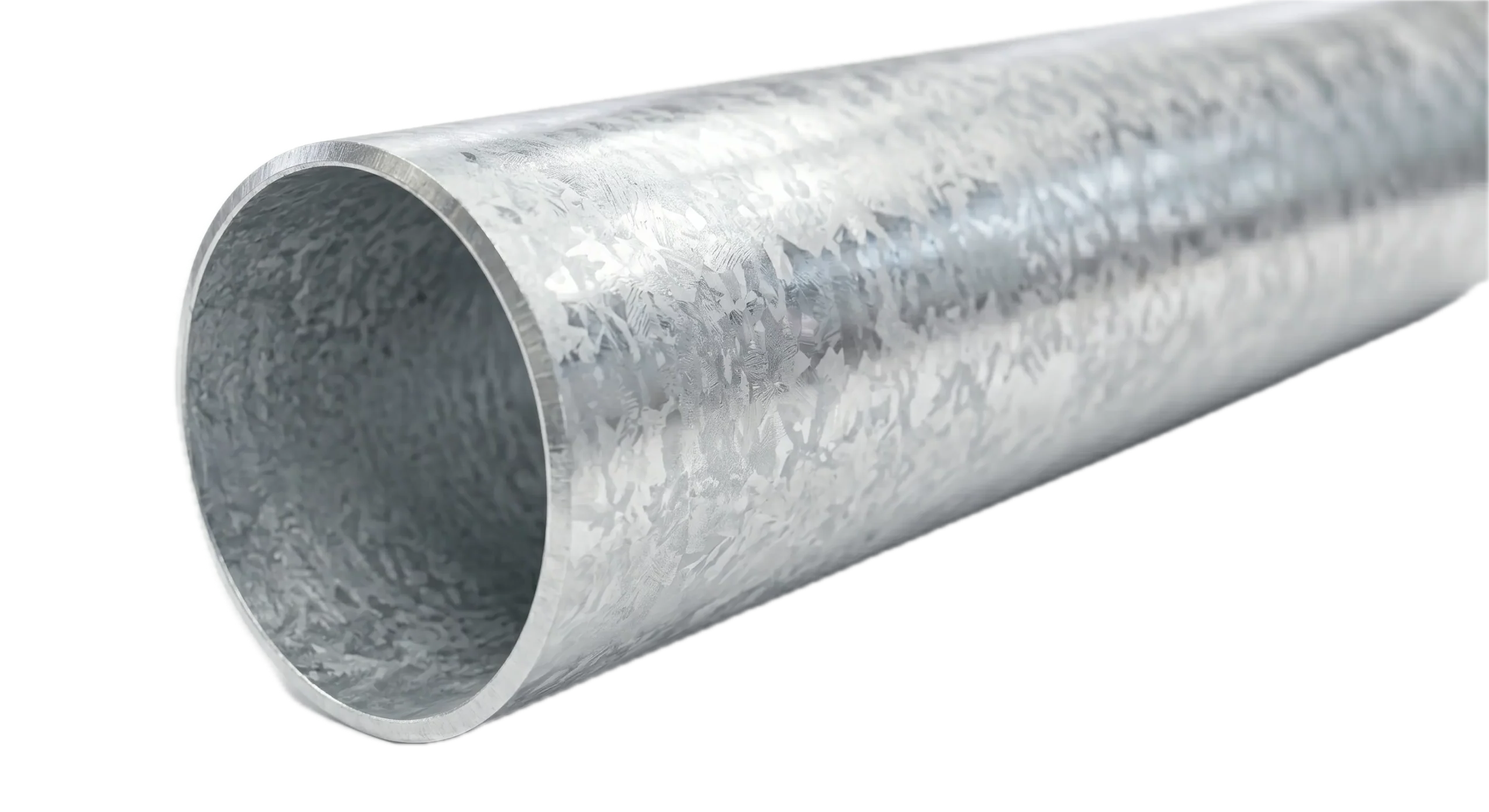
In the industrial sector and high-pressure machinery, the selection and understanding of the processes in hydraulic pipe manufacturing are critical to ensure the sealing, safety, and durability of fluid circuits. As specialists in industrial supply, at Delmàs Tubes we address the metallurgical, regulatory, and logistical aspects that engineers and purchasing managers must consider when specifying these components.
Manufacturing processes and steel grades
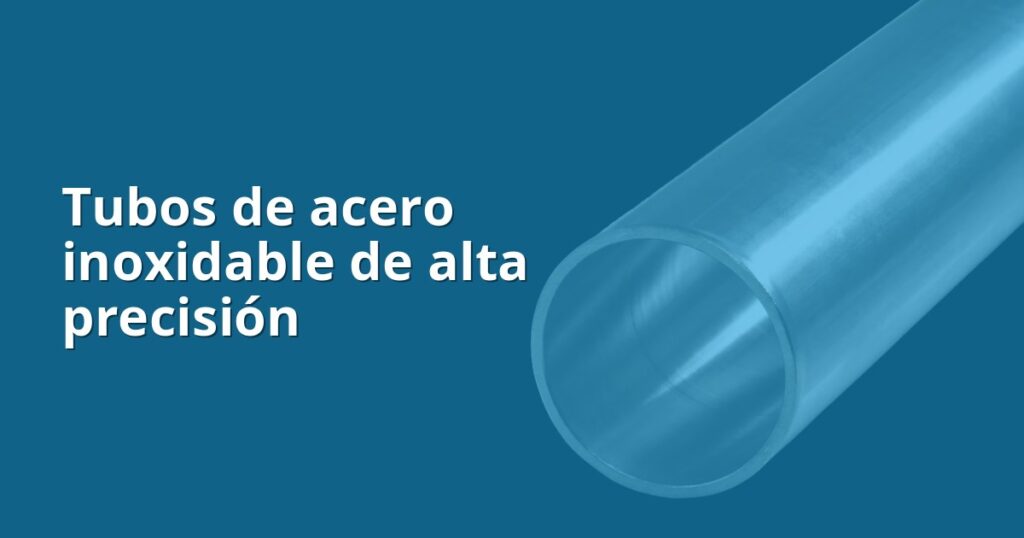
Conduits intended for oil-hydraulic systems are mainly produced through extrusion and hot rolling processes followed by cold drawing. This last step is essential, as cold drawing gives the material tight dimensional tolerances and an optimal surface finish on both the inside and outside of the pipe.
To ensure ideal mechanical resistance against pressure peaks and fatigue, the steels used usually comply with strict standards such as EN 10305-4 (seamless precision steel tubes for hydraulic and pneumatic systems). Depending on the bending and working pressure requirements, specific carbon steels with normalizing heat treatments (+N) are selected, which guarantee the absence of residual stresses and facilitate subsequent bending and flaring operations.
Technical specifications and applicable regulations
The specification of a hydraulic pipe is not limited to the outer diameter (OD) and wall thickness. It is necessary to calculate the working pressure and burst pressure by applying the safety factors required by European and international regulations. Within our technical catalog, the solutions integrated into the gama Precise offer the millimeter precision required in applications where the margin of error does not exist.
- Dimensional tolerances: Rigorous control of outer and inner diameter according to EN 10305-4.
- Surface protection: Chromium VI-free anti-corrosion coatings (such as zinc-nickel or phosphating) to extend service life in aggressive environments.
- Interior cleanliness: Absence of particles and rust to prevent premature damage to pumps, valves, and actuators.
Supply capabilities and industrial traceability
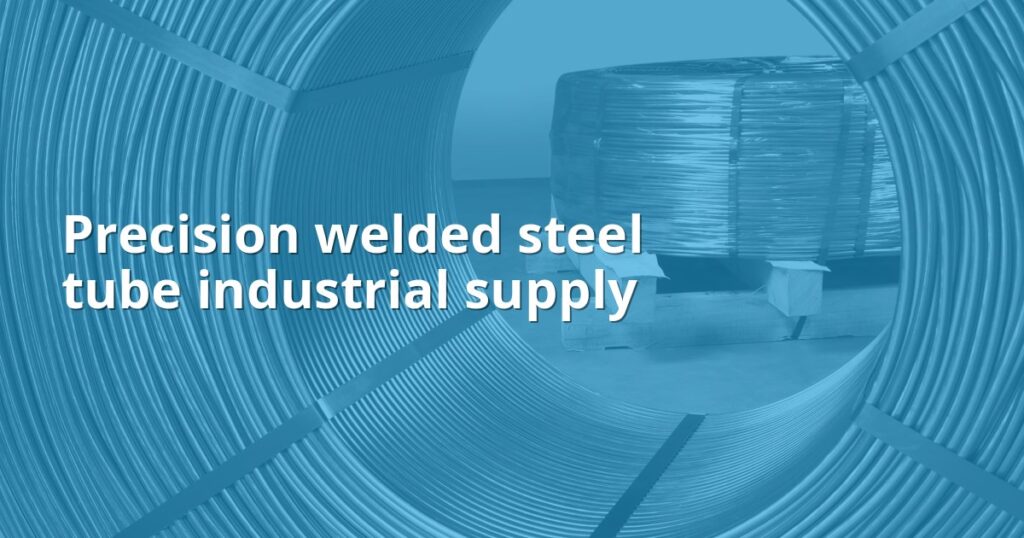
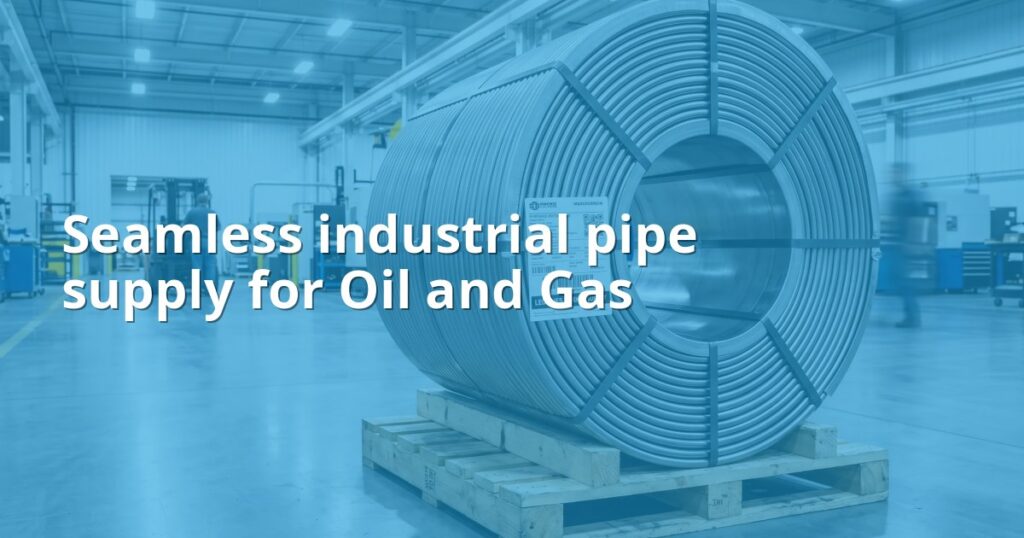
Continuity in the supply chain is a fundamental pillar to avoid line stoppages in assembly plants and industrial maintenance. In this sense, having a partner that has permanent stock of seamless steel tubes ensures delivery times adjusted to the customer's production reality.
Each supplied batch is accompanied by its corresponding quality certificate according to the EN 10204 standard, normally in type 3.1, guaranteeing complete traceability from the steel mill heat to the final dimensions shipped from the warehouse. If your project requires customized specifications or advice on dedicated stock, you can contact our technical team to study the available logistical options.
Frequently asked questions
Which standard regulates seamless precision steel tubes for hydraulics?
The reference European standard is EN 10305-4, which establishes the technical delivery conditions for seamless precision tubes intended for hydraulic and pneumatic systems.
Why is the +N heat treatment important in these tubes?
The +N (normalized) delivery condition ensures that the steel has undergone a heat treatment that homogenizes the grain structure, eliminating internal stresses and improving deformation capacity for bending processes.
How is cleanliness guaranteed inside hydraulic tubes?
Hydraulic-grade tubes undergo blowing, washing, and end-plugging processes to prevent the entry of contaminants and moisture during transport and storage.
What delivery times does Delmàs Tubes handle for standard stock?
We have the capacity for immediate deliveries on standard catalog references, adapting to the Just in Time supply schedules requested by our industrial clients.